Ring’s End
History & Background
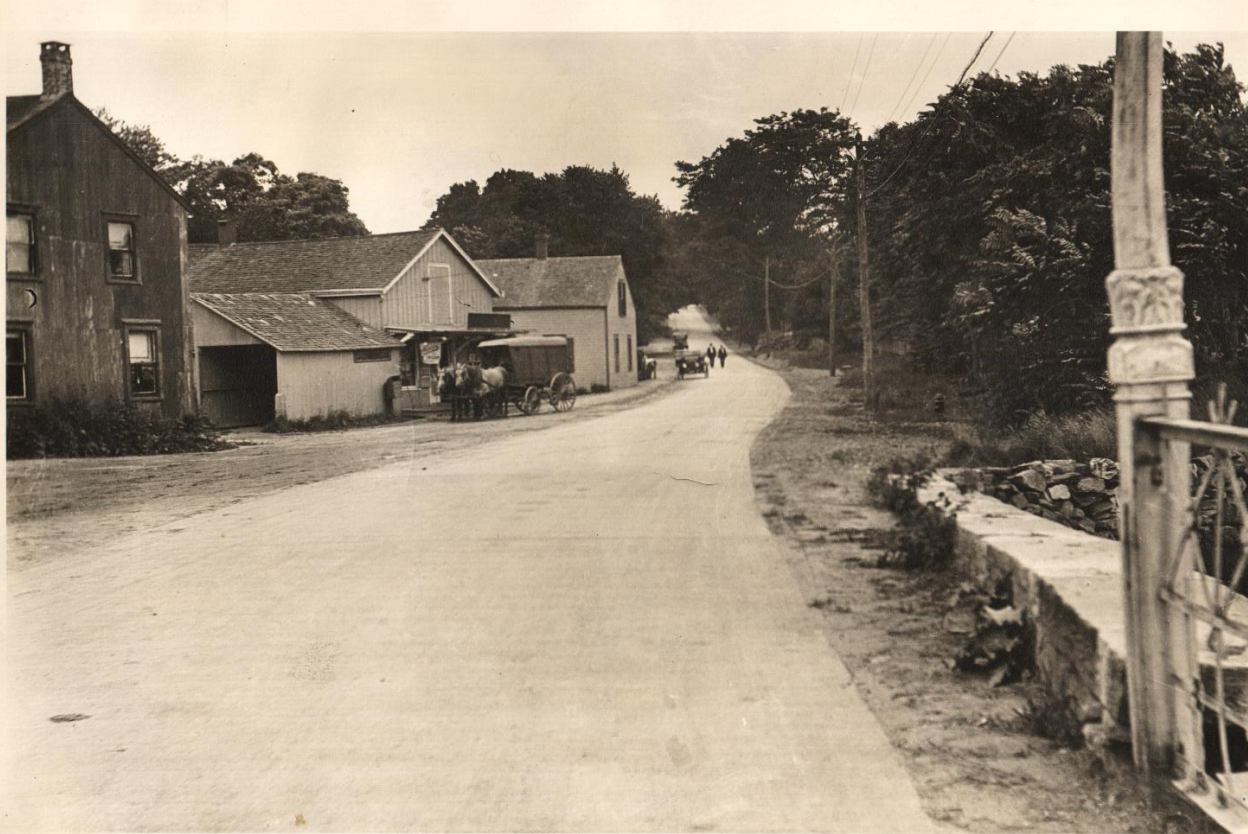
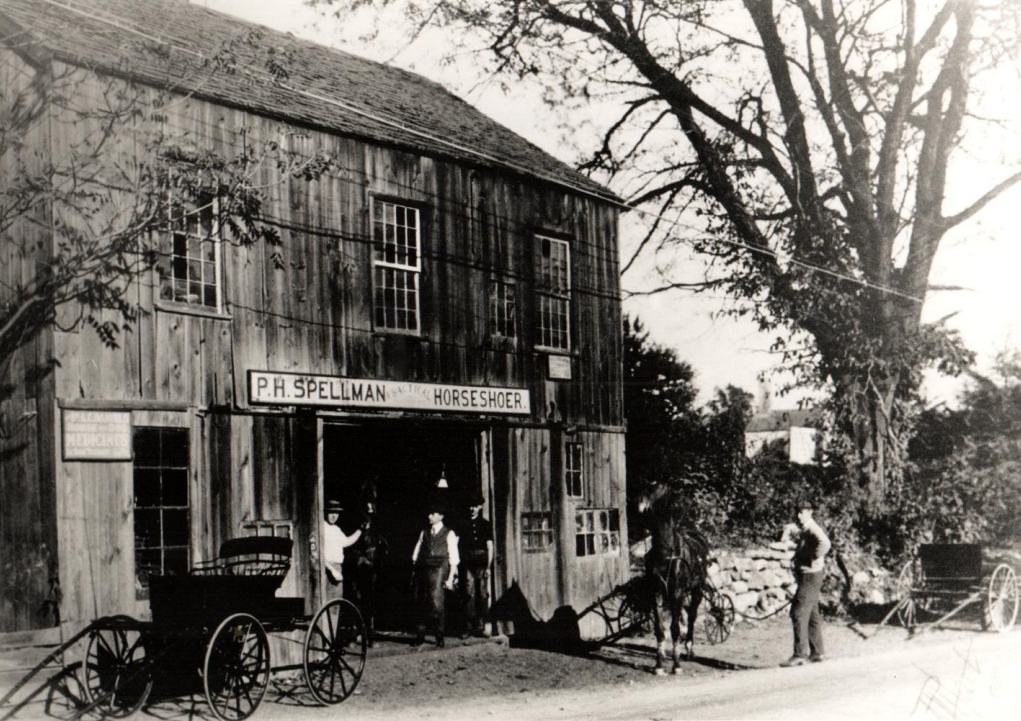
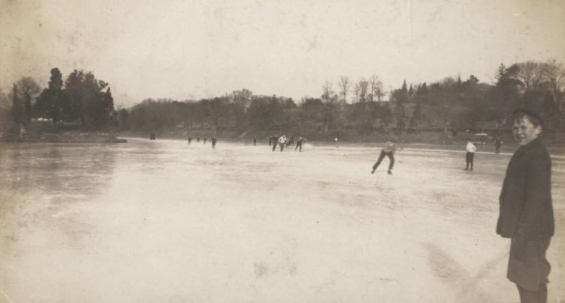
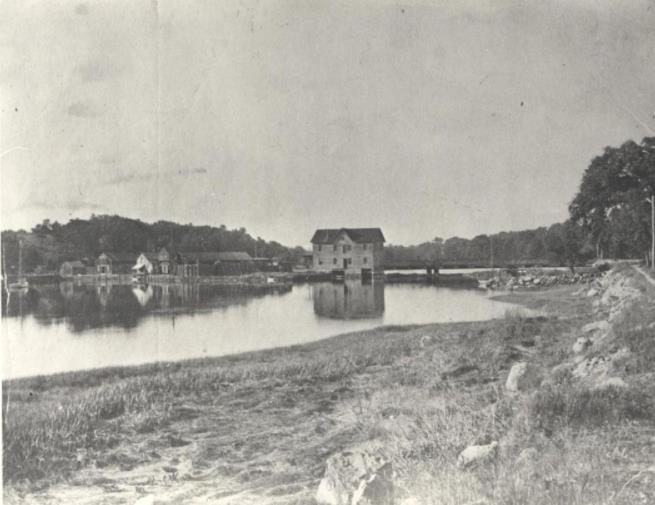
This is where the community that became Darien began. There was a small but serviceable harbor here, and an estuary that could be dammed to power a grist mill.
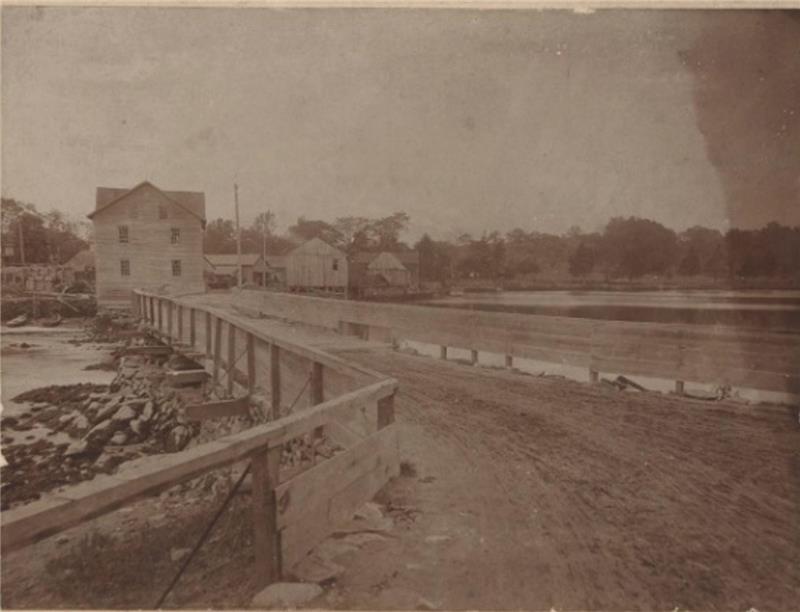
In 1708 Stamford authorities granted permission to Richard Scofield and Thomas Young to dam Pine Brook (the original name of the Goodwives River) to build a mill. Once there was a mill working, and sloops could load or unload here, it became the “The Landing.” Scofield conveyed he property to his son-in-law, a New Yorker of Dutch heritage named John Klock. By the time he sold the mill and a wharf to George Gorham in 1740, it had become “Clock’s Landing.” For the next hundred years, the community served by Clock’s Landing grew and prospered, as did the business of the Landing itself.
“Clock’s Landing” became “Rings End Landing” in the early 1800s, and no one knows why. “Ringsend” is adapted from the Gaelic name for part of the port of Dublin, Ireland. Giving American places exotic foreign names was a fad in those days, and the Clocks had recently moved their fetid tannery down close to the Landing, but whatever the reason, the new name stuck.
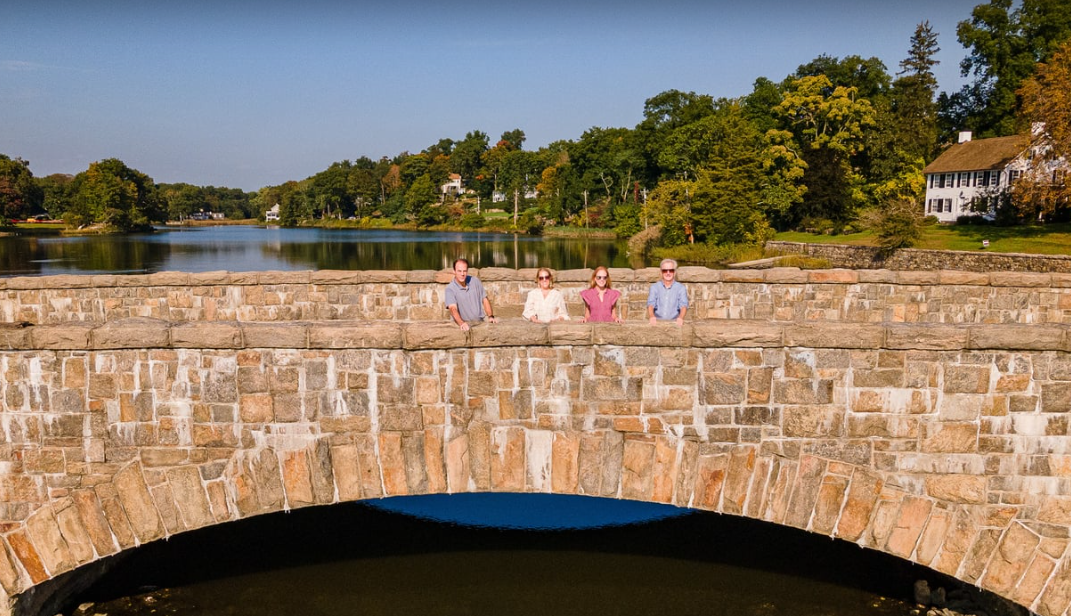
In 1825, a wooden bridge was built across the mill dam. In 1895, it was replaced by an iron bridge, which was rebuilt of stone in 1930. After the railroad came to Darien in 1848, this area ceased being the commercial center of town.
Today the bridge we know as Rings End Bridge carries residents on foot and on wheels past sweeping views of the pond and of the Sound. It is also featured on our Town Seal as well as on the logo of the Darien Heritage Trail.
Based on The Story of Darien Connecticut
by Museum of Darien Historian Ken Reiss
Photograph by Katherine Calderwood - Calderwood Photography
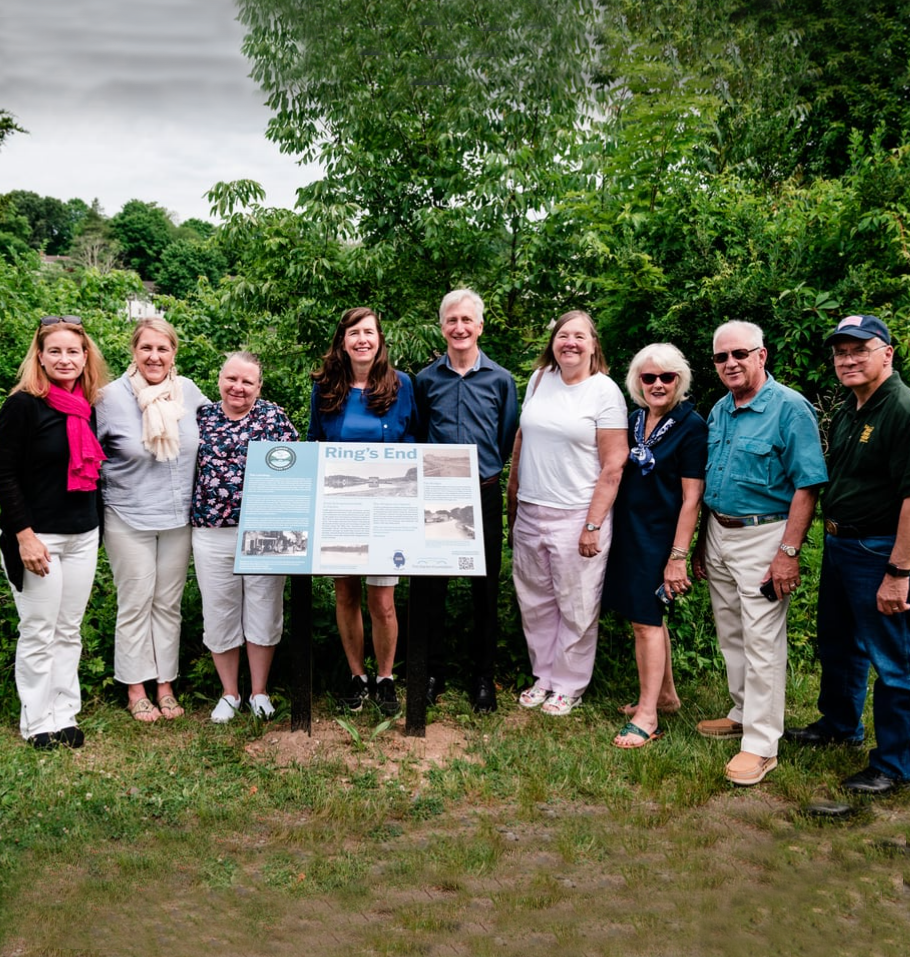
Trail Marker
Click to enlarge